Right Care Right Place

NHS Pharmacy First

Pharmacists and their teams are experts in medicines and can help with minor health concerns.

A pharmacist, or a member of the pharmacy team, can give you advice and treatment (if you need it) for various minor illnesses and common clinical conditions.

Pharmacists, like GPs, can only provide certain medicines and products on the NHS. All of these are proven to be effective in treating your condition.

If you want a specific medicine or product, you may need to buy it. The pharmacist will give you advice on this.

Some pharmacists have an additional prescribing qualification which allows them to prescribe a wider range of medicines, normally only available from your GP practice.

If the pharmacist, or a member of their team, thinks it is better for you to see your GP or another healthcare professional, they may refer you directly or tell you to make an appointment.

NHS Pharmacy First Scotland is available from all pharmacies in Scotland that dispense NHS prescriptions.

You can choose which pharmacy to use.

In most cases, you don’t have to make an appointment.

When you visit the pharmacy, the pharmacist (or one of their team) will ask you for some information, including your name, date of birth and postcode.

The pharmacist, or a member of their team, will:

  • ask you about your symptoms
  • give you advice on your condition
  • provide medication (if you need it)
  • refer you to another healthcare professional (for example, your GP) if they think this is necessary
  • set up a Patient Medication Record (PMR) to make a note of any advice and treatment they give you

You can ask to use the pharmacy’s consultation area or room if you want to speak to the pharmacist in private.

Conditions your Pharmacist can advise, treat and refer you for.

eye

Optometrists (Opticians) and their teams are experts in all aspects of eye related conditions. They can advise, treat and refer you for all your eye related concerns.

All NHS eye examinations (eye tests) are free in Scotland if you:

  • usually live in the UK
  • are a refugee
  • are an asylum seeker
  • in some cases, are an eligible oversea visitor 

Regular free eye examinations

You should get your eyes examined regularly by an optometrist (optician). This is important even if you don’t think you have a problem with your vision.

An NHS eye examination in Scotland tests more than just your sight. It also:

  • checks the health of your eyes
  • looks for signs of other health problems

In some cases, it means that any problems with your eyes can be found before they become more serious.

How often should I have my eyes checked?

You should usually have your eyes checked every 2 years.

Children and older people may need more regular appointments. Some medical conditions mean that you should have your eyes checked more often. Your optometrist will advise you when to return for a follow-up NHS appointment.

If you’re worried about your eyes or your eyesight, get advice from a community optometrist. You don’t have to wait for a routine appointment.

Emergency eye problems and eye conditions

If you have any eye problem, you should contact an optometry (Optician) practice first.

Supplementary eye examinations

If your optometrist decides it’s needed, you can still have your eyes examined for free at any time between your regular examinations. These are called supplementary eye examinations.

Your optometrist might offer a supplementary eye examination if:

  • you have an emergency eye issue, for example a red or sticky eye, blurred or reduced vision, flashers and floaters or pain in or around your eye
  • they want to see you more often for the purposes of ongoing diagnosis or review of conditions such as glaucoma and ocular hypertension
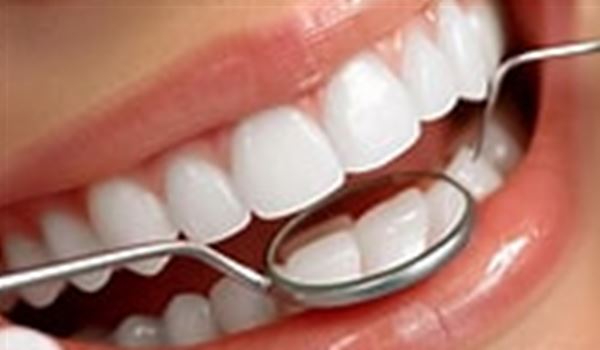
image of dental examination

Dentists and their teams are experts in all aspects of dental related conditions. They can advise, treat and refer you for all your dental related concerns.

How do you know if you are an NHS Patient?

Around 95% of people are registered for NHS dental care and treatment in Scotland. If you’re unsure, check your NHS registration status with the dentist you most recently attended for routine treatment.

NHS patients do not pay a regular fee or retainer to their dentist. There is also no charge for an examination.

If you’re registered with a dentist providing NHS dental care, your practice will be happy to discuss your treatment plan and costs with you before any work is carried out.

Everyone in Scotland is entitled to free NHS dental examinations (including review examinations). For some patients all treatment is completely free.

How often should you get your teeth checked?

This may range from less than 6 months to every 2 years. If you are seen less often than 12 months then this is a sign of good oral health. It is important that you attend when recommended and don’t miss appointments.

What you should do when you have a dental emergency?

Dental emergencies need to be assessed and treated quickly to avoid the risk of permanent damage.

They include:

  • abscesses and swellings in and around the mouth
  • bleeding - uncontrolled especailly after an extraction 
  • trauma – for example knocking out a tooth

If you can find the missing tooth, try to reinsert it and see a dentist as soon as possible. Don’t try to reinsert a baby tooth. Take your child to see a dentist as soon as possible.

Pain relief for dental pain

Always stick to the recommended dose on the label or leaflet when taking pain relief. If you think you’ve taken more than the recommended maximum dose, phone 111.

In-hours dental emergencies

In-hours is Monday to Friday, 9.00am to 5.00pm.

Registered with a dentist

If you’re registered with a dentist and think you have a dental emergency during this period, phone your dental practice. They’ll be able to tell you whether you should:

  • be seen by your dentist
  • go to a local hospital for care

Not registered with a dentist

If you’re not registered with a dentist, follow the local advice given below.

Perth and Kinross – Broxden Dental Centre on 01738 450 550

Open Monday to Friday, 8.30am to 5.30pm

Dundee – Tayside Dental Advice Line on 01382 596 990 

Open Monday to Friday, 8.00am to 5.30pm
 

Page last reviewed: 01 July 2026
Page created: 14 May 2025